
Interview Preparation
Getting the interview is hard. Wasting it is easy.
Most applicants don't fail because they lack a story. They fail because they recite it — delivering a canned script instead of demonstrating clinical judgment and mature decision-making. Admissions committees can spot the difference in seconds.
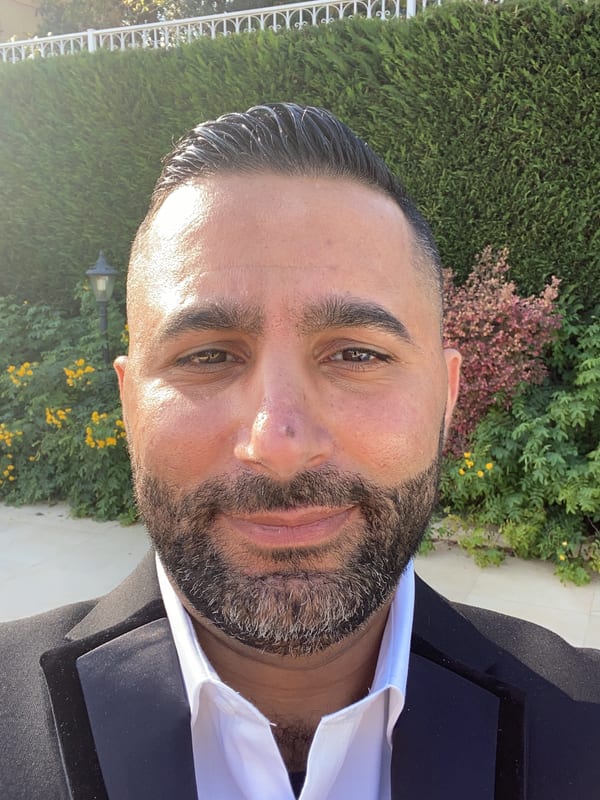
Dr. H
Lead Consultant · PhD
"The interview is not a conversation. It's a performance under evaluation. Most applicants have never actually practiced that."
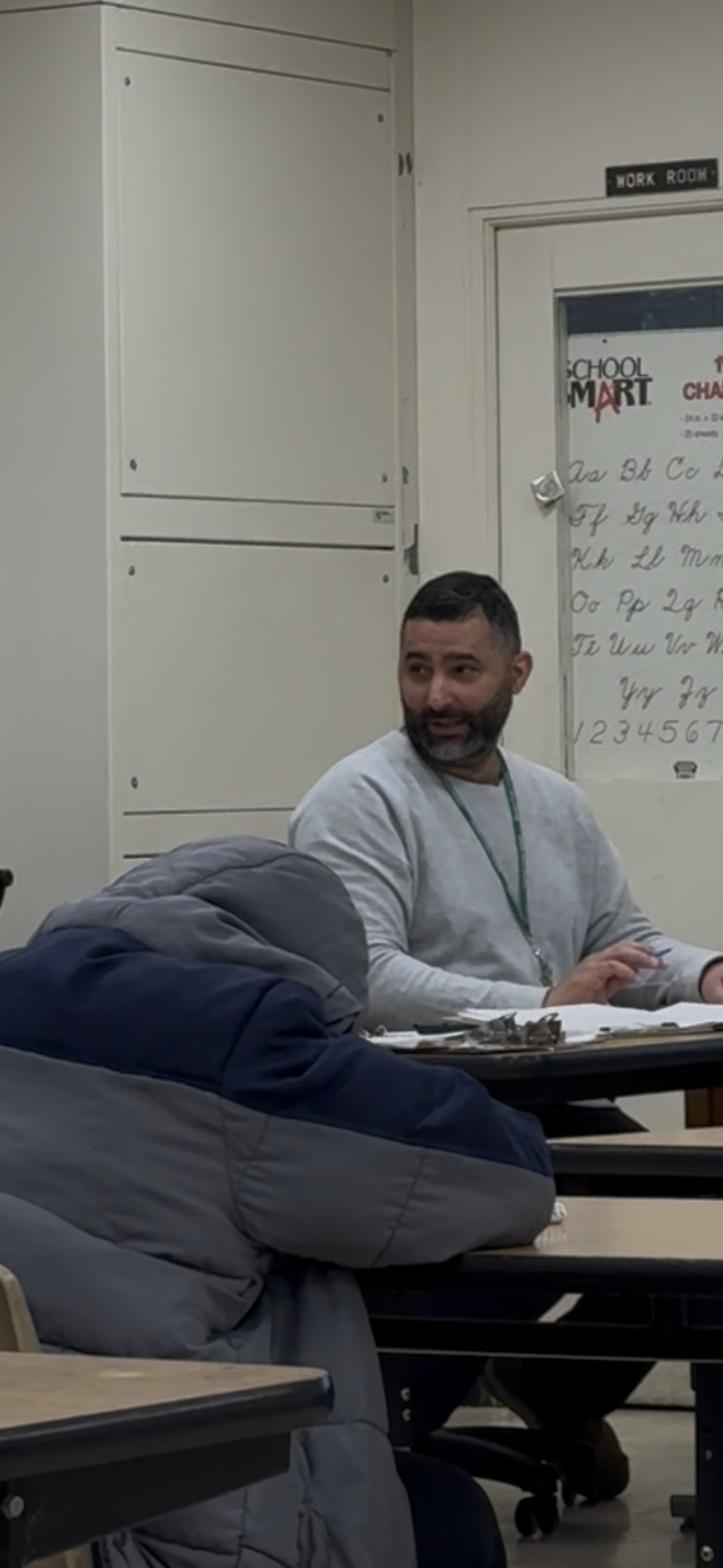
The Interview Readiness Check
Most applicants think they're ready. Most aren't.
These five questions separate applicants who deliver under pressure from those who freeze. Be honest with yourself.
Program specificity — Can you answer "Why this school?" with details specific to their program, or are you delivering a recycled response you give every interview? For example: Can you name a faculty member whose research aligns with yours, or a curriculum feature that isn't available elsewhere?
Core motivation — Can you articulate "Why this field?" without falling back on overused clichés like "I like science and helping people"? For example: Can you point to a specific moment or experience that made the answer undeniable — one that only you could give?
Thinking on your feet — Have you ever had to reason through a question out loud while being actively evaluated? For example: If an interviewer asks you to walk through how you'd handle an ethical dilemma you've never seen before, do you have a framework — or do you stall?
Live execution — Have you practiced out loud under real-time conditions, or just reviewed notes in your head? For example: Rehearsing silently feels like preparation. It isn't. The gap between thinking an answer and delivering it under pressure is where most applicants lose points.
Off-script control — If an interviewer pivots unexpectedly, do you have a structure to fall back on, or do you lose your footing without a prepared answer? For example: What happens when they follow up with "Can you say more about that?" and you've already said everything you rehearsed?
If any of these made you hesitate, that's where the work begins.
Interview performance isn't luck — it's a trainable skill. The applicants who succeed on interview day are the ones who have already stress-tested their judgment in a controlled environment.
Interview invitations can arrive with as little as 48 hours' notice. The time to prepare is before the invite lands.
The real problem
The interview is not a conversation. It's a performance under evaluation.
Most applicants treat the interview like a chat. Admissions committees treat it like a high-stakes assessment. Here's where the gap shows up.
The rehearsed monologue
You memorized your answers. The interviewer went off-script. You froze. Memorization is not preparation — structural frameworks are.
The generic "Why medicine"
Every applicant says they want to help people. The committee has heard it a thousand times. The applicants who stand out have a specific, irreplaceable answer — and they've practiced delivering it.
The ethical scenario collapse
You were asked what you'd do if a colleague was impaired on the job. You gave the right answer. But you gave it like a policy recitation, not like someone who has actually thought through the weight of that decision.
The confidence gap
You know your material. But you've never been evaluated on it in real time, under pressure, by someone who isn't rooting for you. That gap shows — and committees notice.
Real Results
Strategic Storytelling Changes Outcomes
Two students. Two different situations. One approach.
5 Acceptances
MD · MS/MD · DO programs
Low MCAT. Came in with a personal statement everyone said was fine. We rebuilt the narrative from the argument up — not the prose.
In their words
"I ultimately decided to attend Drexel University because the options and what the program offers are too good to turn down!
— Drexel MS/MD Matriculant
Pre-Med Mentorship & Application Advising
MD Acceptance
University of Toledo College of Medicine
Guided through personal statement framing, narrative positioning, and full application advising. The statement led with the right story — not the obvious one.
In their words
"I cannot thank you enough for your letter of recommendation and your endless support throughout this process!
— University of Toledo MD Matriculant
Pre-Med Mentorship & Application Advising
Results like these start with a strategy session.
How we work
Preparation that mirrors the actual conditions.
We start by understanding where you are — your timeline, your target schools, and the specific gaps in how you're currently presenting yourself.
Every mock session is built around the format and known tendencies of your inviting institution. MMI circuits, panel interviews, and traditional one-on-ones are not interchangeable — and we don't treat them that way.
After each session, you receive written feedback on your answer structure, not just your content. The goal is a repeatable framework you can apply to any question — including ones you've never seen.
Interview Preparation Packages
Choose the level of preparation that fits your timeline.
All packages include school-specific calibration and written feedback. Select your track below.
$500
Single Mock Interview Session
Ideal forYou have an invitation in hand and need one high-fidelity mock session with immediate, detailed feedback before your interview date.
- 1 live mock interview session (up to 90 min)
- School-specific format calibration
- Immediate verbal debrief + written performance notes
- DRH Structural Framework Checklist evaluation
- Traditional, Panel, MMI, or Hybrid format
$500 upon purchase · Refundable (minus $150 admin fee) if cancelled 7+ days before session
Purchase — $500$1,500
Standard 3-Session Program
Ideal forYou want a structured, milestone-driven program to master core mechanics and prepare for 1–3 school invitations.
- 3 live mock interview sessions (up to 90 min each)
- School-specific calibration per session
- Detailed performance feedback after every session
- DRH Structural Framework Checklist evaluation
- Traditional, Panel, MMI, or Hybrid formats
50% retainer ($750) at activation · $750 due prior to scheduling Session 2
Schedule a Free Strategy Session*Complimentary Academic Pathway Session before any program activation.
$5,000
Unlimited Interview Package
Ideal forYou are holding multiple invitations and need open-ended access, school-specific calibration, and a built-in acceleration sprint the moment an invite lands.
- Unlimited sessions through your active cycle
- Phase 3 Acceleration Sprint (up to 2 sessions/week on invite)
- School-specific calibration for every invitation
- DRH Structural Framework Checklist evaluation
- Traditional, Panel, MMI, and Hybrid formats
- Priority scheduling throughout interview season
50% retainer ($2,500) at activation · $2,500 due 30 days post-activation or prior to Session 4
Schedule a Free Strategy Session*Complimentary Academic Pathway Session before any program activation.
Looking for full application consulting?
View all servicesWho this is for
This is for applicants who have earned the interview and don't want to leave it to chance.
You need focused, high-intensity preparation — not a general overview of interview theory.
Rehearsing in your head is not the same as performing under evaluation. You need real pressure before the real thing.
MMI, panel, and traditional interviews require different approaches. You need preparation that accounts for the specific format you're walking into.
You need something you can return to — a documented record of what worked, what didn't, and exactly what to fix before the next session.
From the blog
Interview Preparation Insights
Strategy, structure, and what actually works in the room.
Read Dr. Hachem's writing on interview performance, common mistakes, and what separates applicants who get offers from those who don't.
The interview is the last gate. Don't walk in unprepared.
A free strategy session takes 30 minutes. It costs nothing. And it will tell you exactly where your preparation stands.